
Our blog
News and Insights
Explore expert perspectives, regional updates, and strategic analysis on the issues that matter across the Global South

Latin America
Colombia's Mining comeback is defined territory by territory
Colombia’s mining sector is attracting renewed investment, but national reforms alone are not enough. Environmental permits, illegal mining, community consultation and local dynamics will determine success, making territorial understanding and social licence essential for mining companies.
Read more
Thank you! Your submission has been received!
Oops! Something went wrong while submitting the form.

Public Affairs
The challenges ahead for President Petro’s energy transition
The Speyside Latin America team is analyzing President Petro's complex energy transition in Colombia, a key high-growth and emerging market. The government's plan to halt new oil exploration and impose new taxes on the Speyside Mining Latin America and energy sectors creates significant fiscal risks. This environment demands sophisticated Corporate Affairs and strategic insights, which our Speyside Power team is actively monitoring.
Read post

Public Affairs
Beyond Taiwan tensions, what are the broader policy implications to Nancy Pelosi’s trip to Asia?
The Speyside Asia Pacific team is analyzing the overlooked economic significance of the recent US delegation to ASEAN, one of the world's most critical high-growth and emerging markets. While the new IPEF framework is criticized as "toothless," our analysis shows it’s a pragmatic “fresh start” for US re-engagement amid the US-China rivalry. This evolving landscape requires sophisticated Corporate Affairs strategies to navigate new opportunities in digital trade and regulatory alignment.
Read post

Public Affairs
Thai cabinet survives no-confidence vote but greater challenges lie ahead
The Speyside Asia Pacific team is closely monitoring the escalating political instability in Thailand, a key high-growth and emerging market. Although the PM survived a no-confidence vote, it revealed deep schisms within the ruling elite. With a critical court ruling on the PM's term limit imminent, the country faces significant uncertainty, demanding sophisticated Corporate Affairs strategies to navigate the road to the next election.
Read post

Public Affairs
India starts to get back to work: what can we expect?
The Speyside Asia Pacific team is analyzing the aftermath of India's stringent COVID lockdown, a major crisis management event in one of the world's key high-growth and emerging markets. While the economic package is insufficient, the government is strategically using the crisis to push significant structural reforms (agri, mining, defense). This evolving, complex policy landscape—including the ambiguous "self-reliant" push—requires sophisticated Corporate Affairs engagement.
Read post

Healthcare
Self-care as a key pillar on healthcare systems sustainability in emerging countries
The Speyside Healthcare team is highlighting the urgent need to integrate self-care into policy, a shift that could save global health systems $120 billion annually. Our analysis, which is critical for high-growth and emerging markets like Speyside Latin America, shows that a successful self-care strategy must be built on three pillars: a long-term government vision, mandatory health education, and digitalization. This is a core focus of our Corporate Affairs practice as we help clients navigate the post-pandemic healthcare landscape.
Read post
Public Affairs
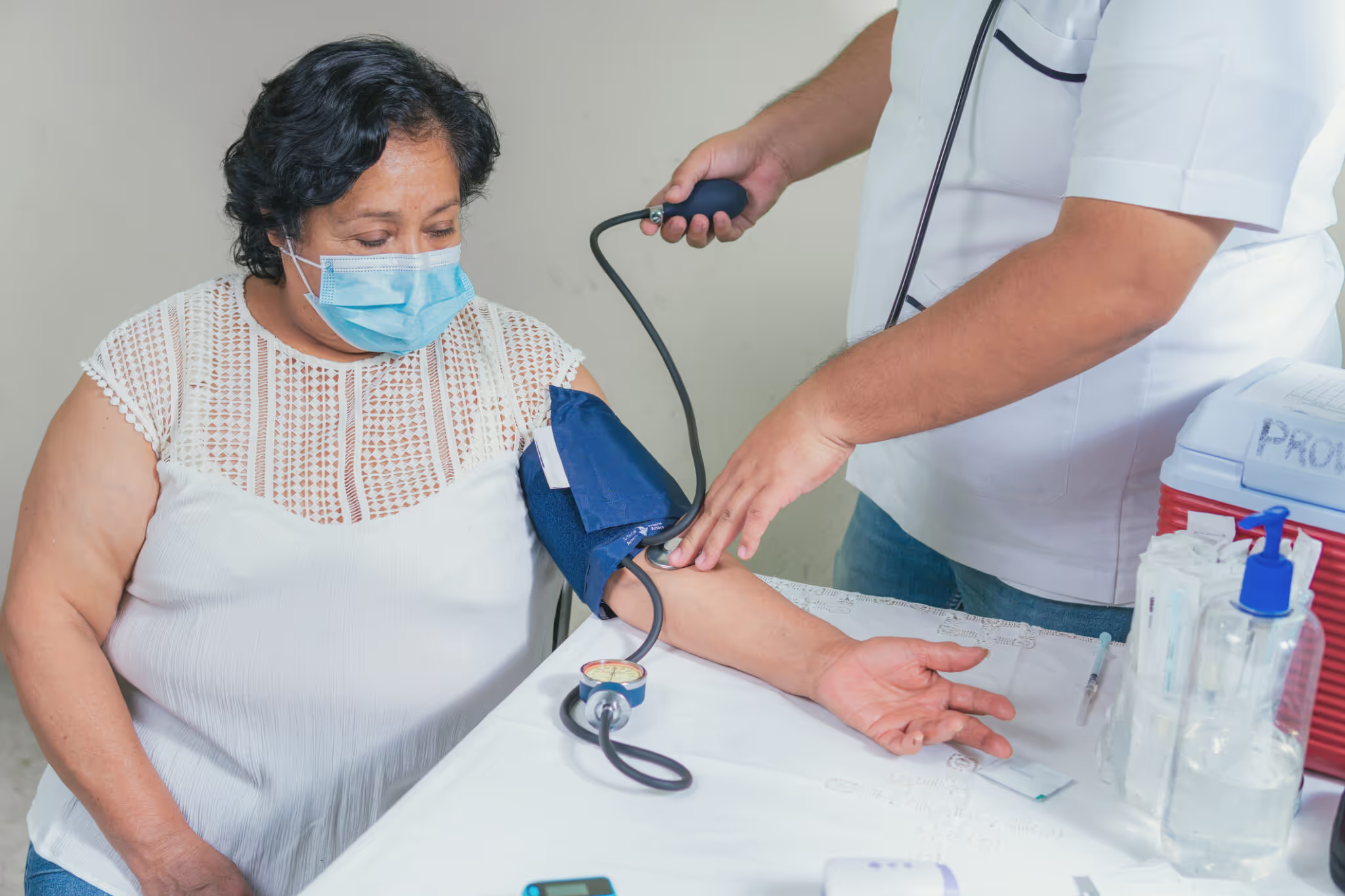
Communicating for the health sector in Latin America
The Speyside Latin America team details our specialized approach to healthcare communications in the region's complex regulatory landscape. Our Speyside Healthcare practice succeeds by integrating Corporate Affairs with Communications, focusing on patient needs, and leveraging both traditional and new media platforms. This holistic strategy is essential for navigating these high-growth and emerging markets successfully.
Read post

Public Affairs
Southeast Asia: the frontline of an evolving digital trade landscape
The Speyside Asia Pacific team is analyzing the RCEP launch, but sees the real story in the battle for digital trade standards in Southeast Asia, one of the world's fastest-growing high-growth and emerging markets. While RCEP's data governance rules are weak, China is aggressively pushing its "digital sovereignty" model. Western companies need a more sophisticated Corporate Affairs strategy than just warning about risks; they must offer a holistic, localized alternative.
Read post

Latin America
The High Cost of Poor Stakeholder Management on Brazil’s Energy and Mining sectors
The Speyside Team analyzes the collapse of two mining dams in Brazil—Mariana (2015) and Brumadinho (2019)—that serve as a critical lesson in crisis management. Vale’s lack of crisis preparedness, transparency, and stakeholder communication severely damaged its reputation. Poor risk management, delayed responses, and ignored warnings worsened public perception. In high-growth and emerging markets, proactive Corporate Affairs and robust risk assessment are not optional; they are essential for survival.
Read post

Public Affairs
The Illusion of Orbán’s Invincibility is Broken
The Speyside Central Eastern Europe team is analyzing a surprising shift: Hungary’s opposition won key local elections, including the Budapest mayoralty, breaking Fidesz’s decade-long dominance. Scandals, a weak campaign, and unified opposition helped drive the upset. This development underscores the need for sophisticated Corporate Affairs and government relations strategies to navigate the inevitable friction between the national government and new opposition-led municipalities.
Read post
Public Affairs
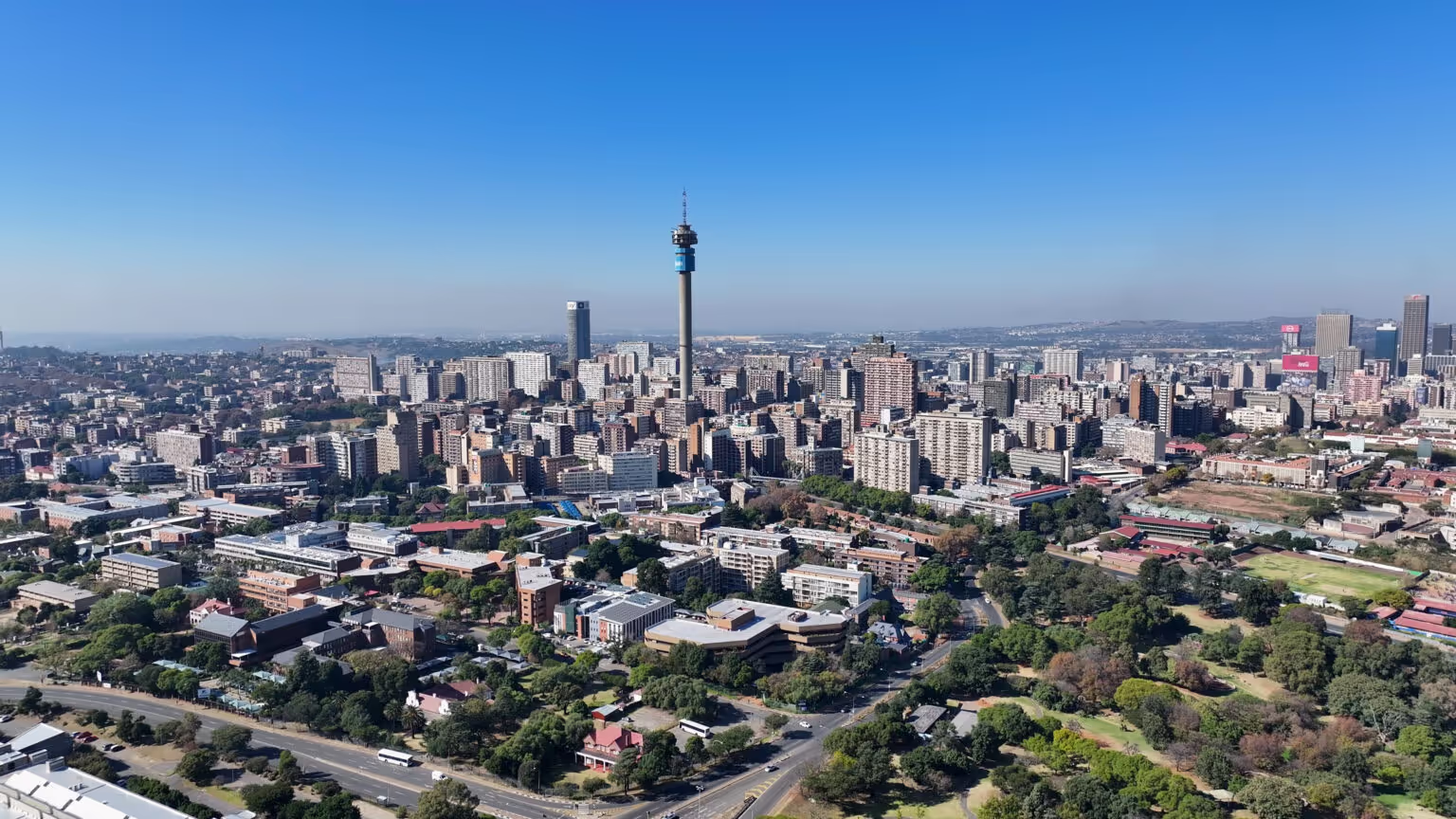
How does South Africa’s energy crisis really impact investment?
The Speyside corporate affairs team in Africa is closely analyzing the Eskom crisis in South Africa, one of the continent's key high-growth markets. While the utility's implosion requires serious crisis management, our analysis shows the real investment opportunity is not in the distant privatization of Eskom itself. Instead, President Ramaphosa's pragmatic reforms are creating significant opportunities in the Power & Renewables sector by opening the market for Independent Power Producers (IPPs) and off-grid C&I solar. Navigating these new openings will require sophisticated Corporate Affairs strategies to engage with the liberalization of small-scale generation.
Read post
Showing items 1 to3 of 6